
Reducing food waste at home is an easy and impactful way to save money and help the environment. Every year, millions of tons of food are thrown away, many of which could have been consumed with a few simple changes in our habits. Whether you live alone or with a family, adopting some smart strategies can make a big difference. In this post, we’ll explore practical ways to reduce food waste and create a more sustainable kitchen.
Why Reducing Food Waste Matters
Food waste affects more than just your wallet. When food is thrown away, the resources used to produce it—water, energy, labor—are also wasted. Additionally, decomposing food in landfills produces methane, a potent greenhouse gas. Reducing waste helps conserve resources, lower greenhouse gas emissions, and promote food security.
Plan Your Meals Ahead of Time
One of the most effective ways to reduce food waste is by planning your meals in advance.
– Create a weekly meal plan: Outline what you’ll be cooking each day to avoid buying unnecessary items that might expire before use.
– Make a precise shopping list: Stick to your list when grocery shopping to prevent impulse buys.
– Use apps or tools: There are many apps that help with meal planning and grocery lists to keep things organized.
Shop Smart and Mindfully
How and when you shop can influence how much food you waste.
– Shop with a full stomach: Shopping when hungry can lead to buying excess food you don’t really need.
– Buy loose items: Purchasing fruits and vegetables individually lets you pick exactly how much you need.
– Check expiration dates: Choose items with a longer shelf life if you don’t plan to use them immediately.
Store Food Properly to Extend Freshness
Proper storage keeps food fresh longer and reduces spoilage.
– Understand storage requirements: Some produce lasts longer in the fridge (like berries), while others do better on the countertop (like bananas).
– Use airtight containers: Store leftovers and opened packages in airtight containers to keep them fresh.
– Keep your fridge organized: Place older items in front so they get used first.
Use Leftovers Creatively
Leftovers can be transformed into delicious meals rather than tossed out.
– Make soups, stews, or casseroles: These dishes are great for using a variety of leftover ingredients.
– Repurpose veggies: Turn wilting vegetables into stir-fries or smoothies.
– Freeze extra portions: If you can’t finish a meal, freeze it for later use.
Practice Portion Control
Cooking and serving appropriate portion sizes prevents uneaten food from going to waste.
– Serve smaller portions: Start with smaller amounts and allow seconds if still hungry.
– Use smaller plates: This simple trick can help reduce serving sizes and avoid waste.
– Share meals: If dining with others, consider sharing dishes to avoid extra leftovers.
Compost Food Scraps
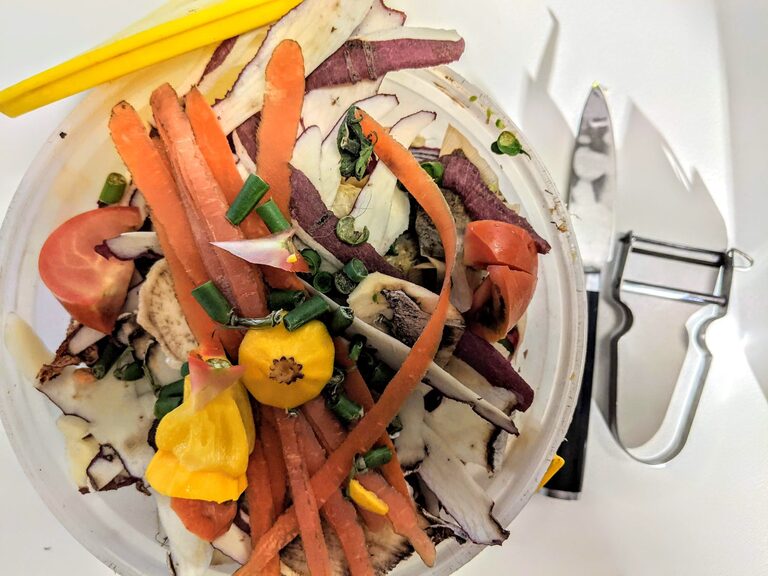
Food scraps like vegetable peelings, coffee grounds, and eggshells can be composted rather than thrown in the trash.
– Start a home compost bin: Composting reduces landfill waste and creates nutrient-rich soil for your garden.
– Learn what’s compostable: Avoid composting meat, dairy, or oily foods to keep the process healthy and odor-free.
– Use community compost programs: If space is limited, check for local composting drop-off sites.
Keep Track of What You Have
Knowing what’s in your pantry and fridge helps prevent buying duplicates and forgetting about items.
– Regularly clean out your fridge and pantry: Toss expired items and take note of what you need to use soon.
– Label leftovers with dates: This helps remind you to use them before they spoil.
– Organize food by category: Keep similar items together for easy access and visibility.
Educate Your Household
Reducing food waste is easier when everyone is on board.
– Involve family members: Teach children and housemates about the importance of not wasting food.
– Assign food waste roles: For example, someone can be responsible for meal planning, another for composting.
– Share recipes that use leftovers: Encourage creativity in the kitchen.
Conclusion
Reducing food waste at home not only benefits your budget but also supports environmental sustainability. By planning meals, shopping smartly, storing food properly, and getting creative with leftovers, you can make a significant impact. Start with small changes today, and you’ll soon see the benefits for your household and the planet. Remember, every bit of food saved counts!
—
Implementing these strategies will help you create a more efficient kitchen and reduce your food waste footprint. Happy cooking!